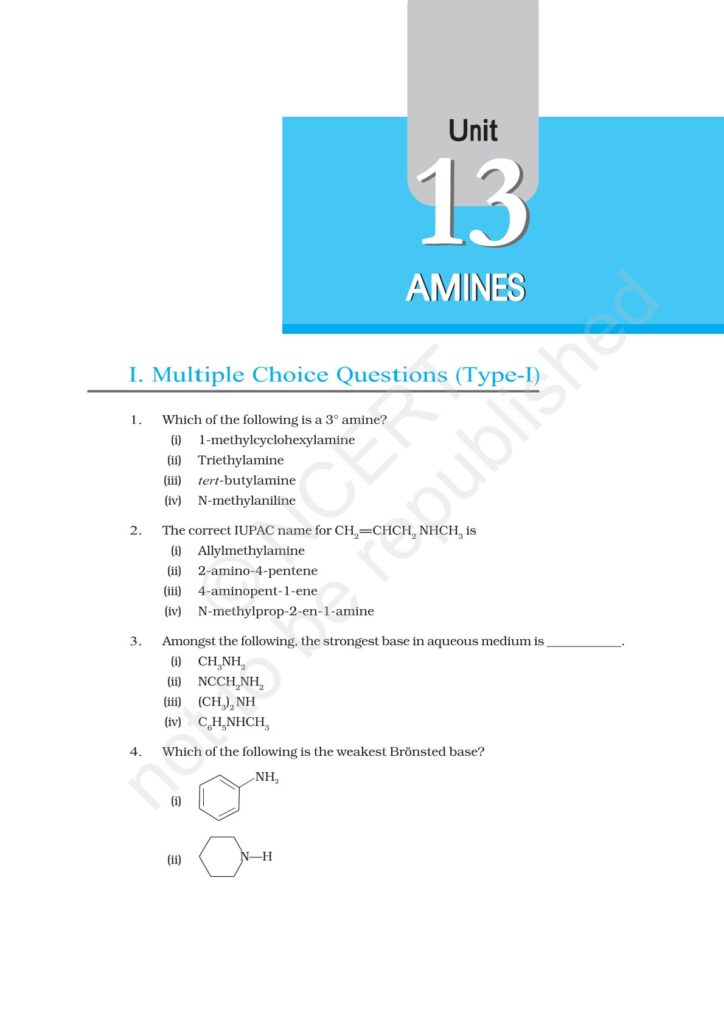
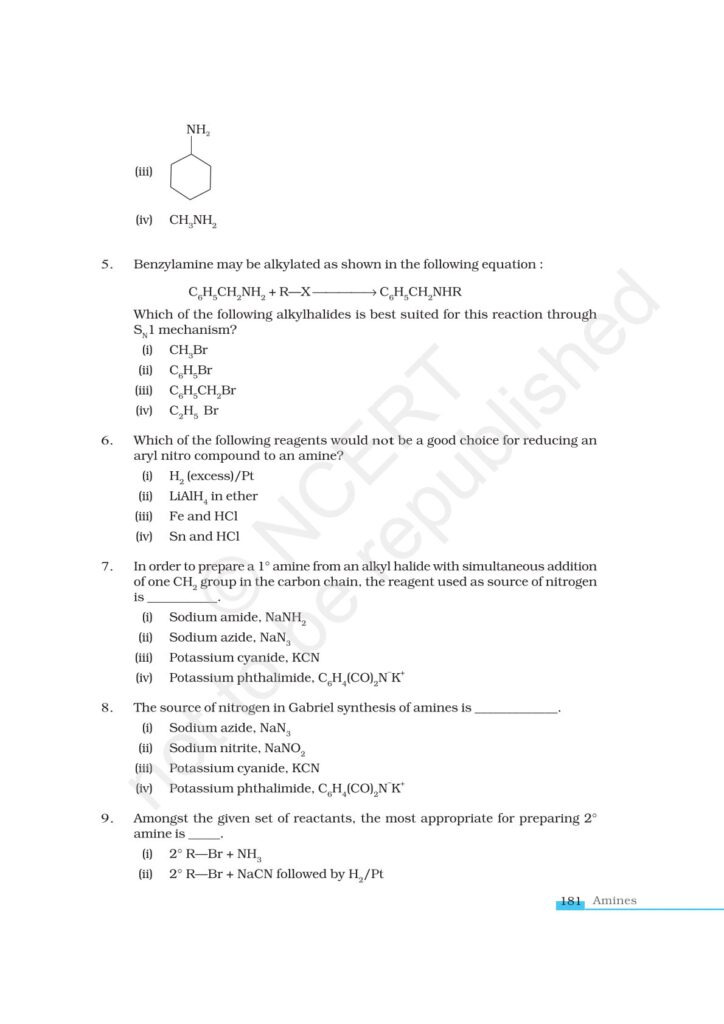
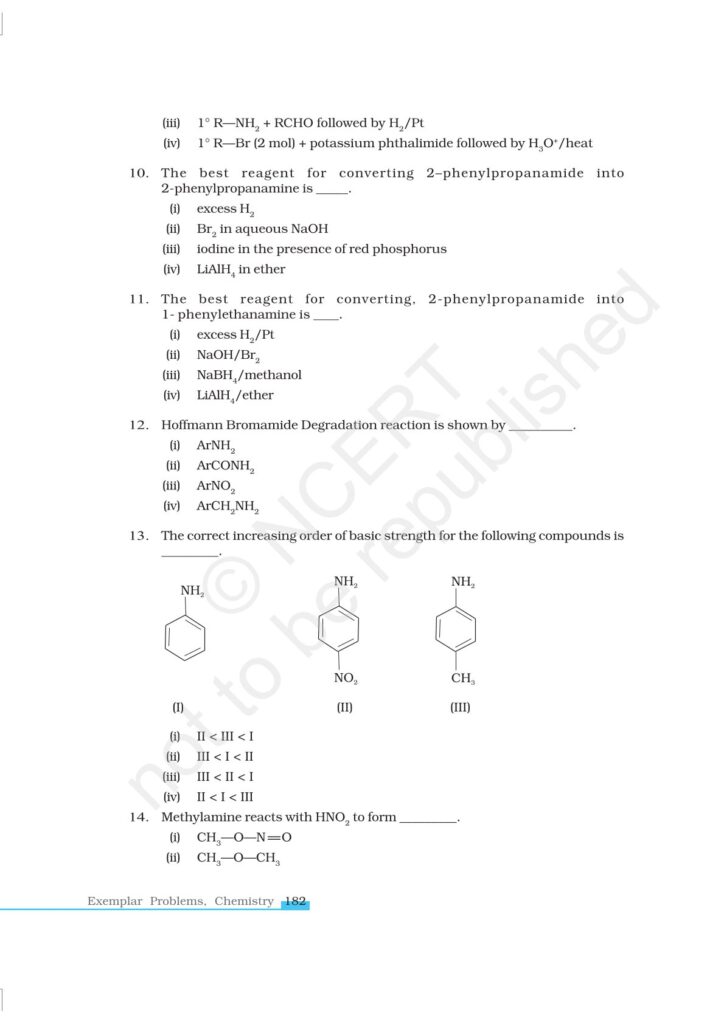
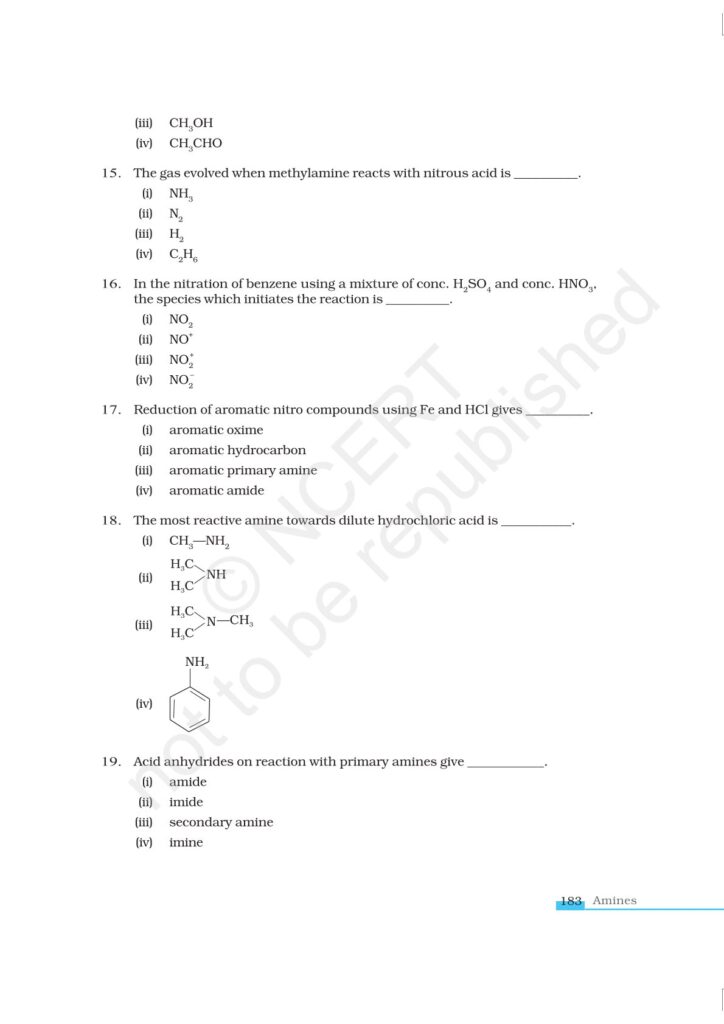
Introduction to Organic Compounds Containing Nitrogen – Class 12 NCERT Exemplar
Organic compounds containing nitrogen constitute a highly significant class of chemical compounds in both academic and practical fields of chemistry. These compounds, which include amines, cyanides, isocyanides, diazonium salts, and nitro compounds, play a vital role in the structure and function of biological molecules, pharmaceuticals, agrochemicals, dyes, and polymers.
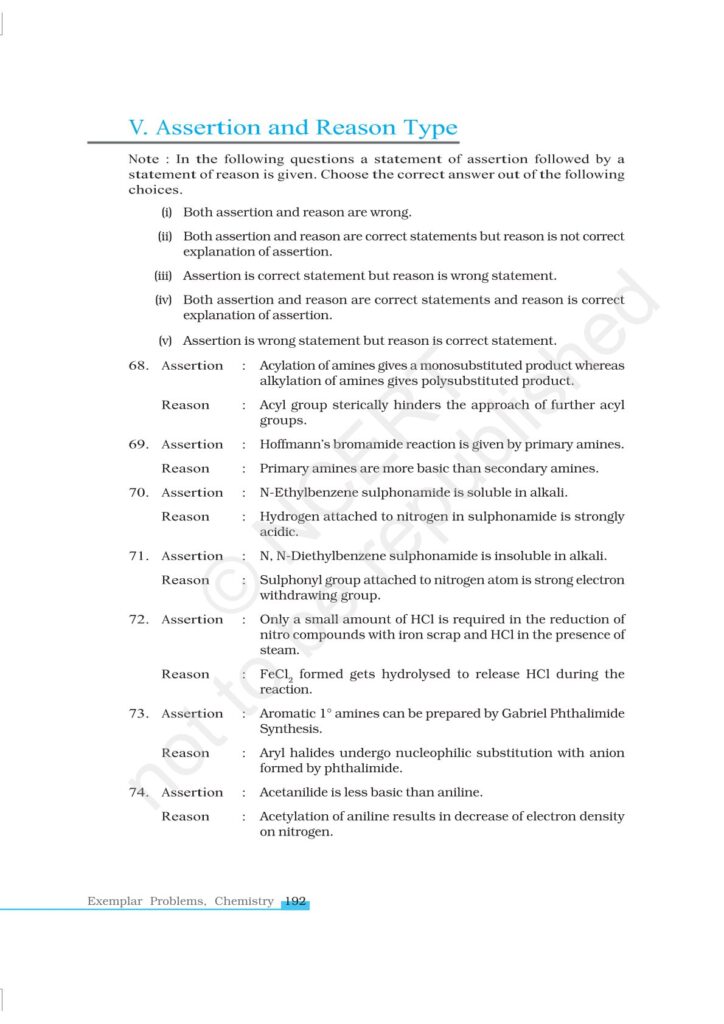
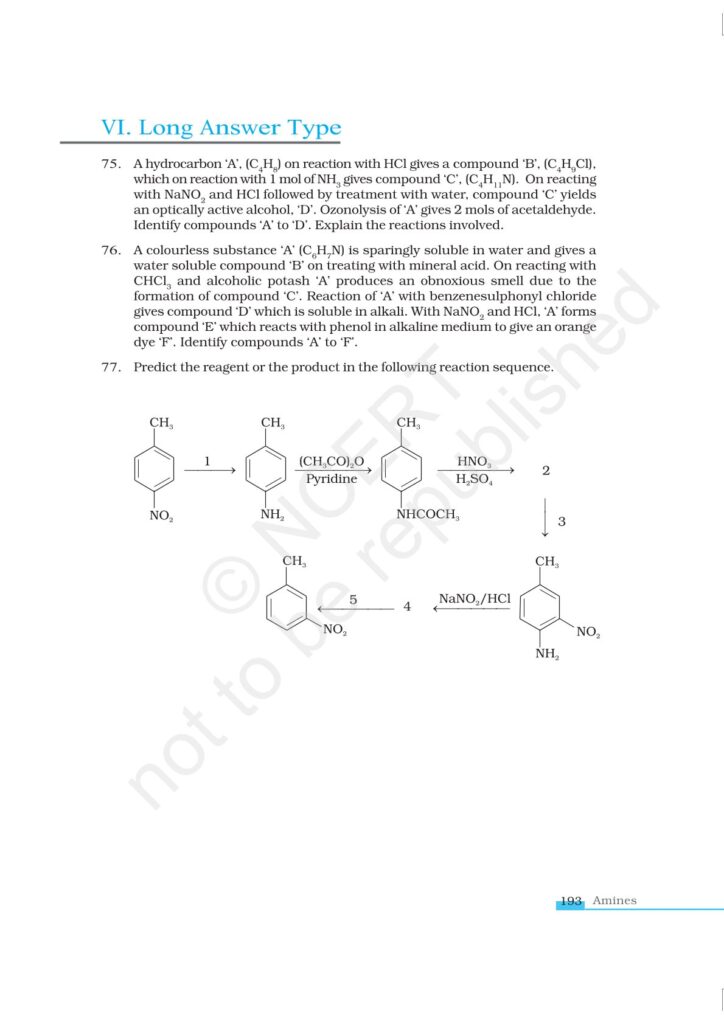
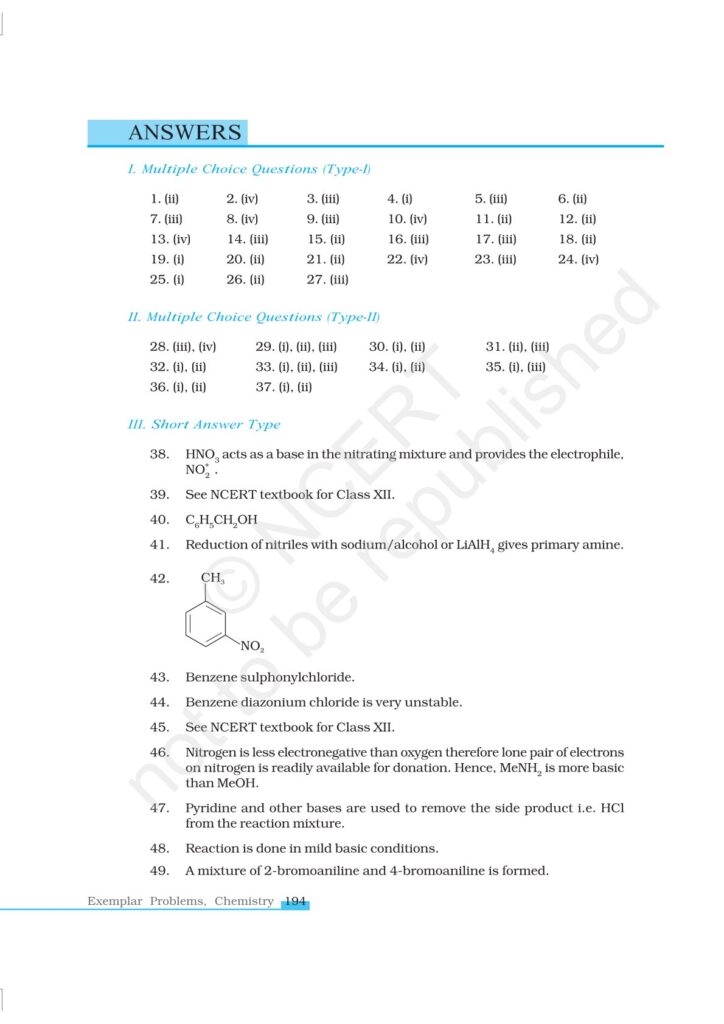
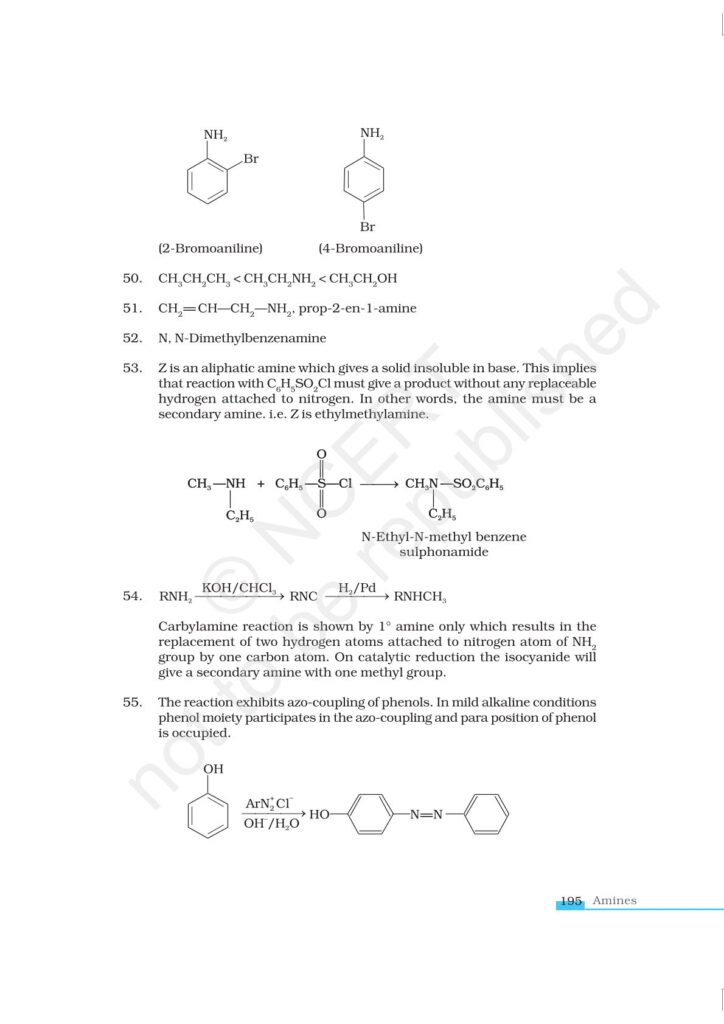
The Class 12 NCERT Exemplar for this chapter is designed to deepen students’ conceptual understanding of these compounds beyond the standard NCERT textbook. It provides a range of well-curated, higher-order problems that enhance analytical thinking and problem-solving skills.
The chapter begins with a classification and nomenclature of nitrogen-containing organic compounds, followed by their preparation methods, physical properties, chemical behavior, and important applications. Special focus is given to:
- Amines, which are organic derivatives of ammonia and resemble alcohols and ethers in their structure.
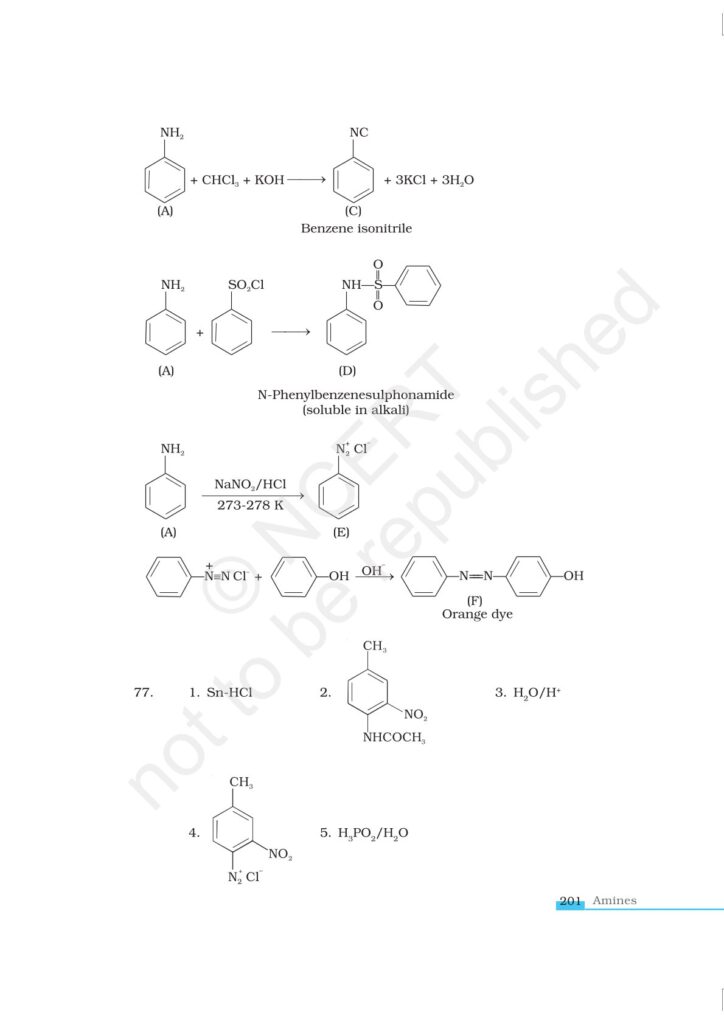
- Diazonium salts, which are important intermediates in the synthesis of azo dyes.
- Nitriles and isonitriles, with their unique structural and reactive characteristics.
- Nitro compounds, which are key to the synthesis of explosives, drugs, and dyes.
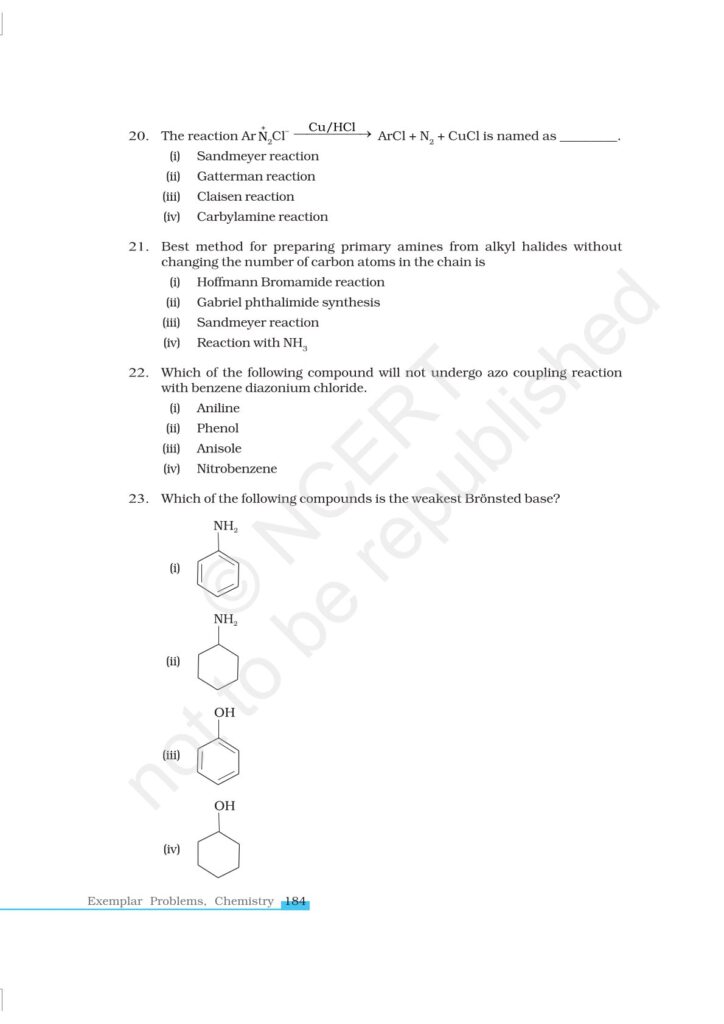
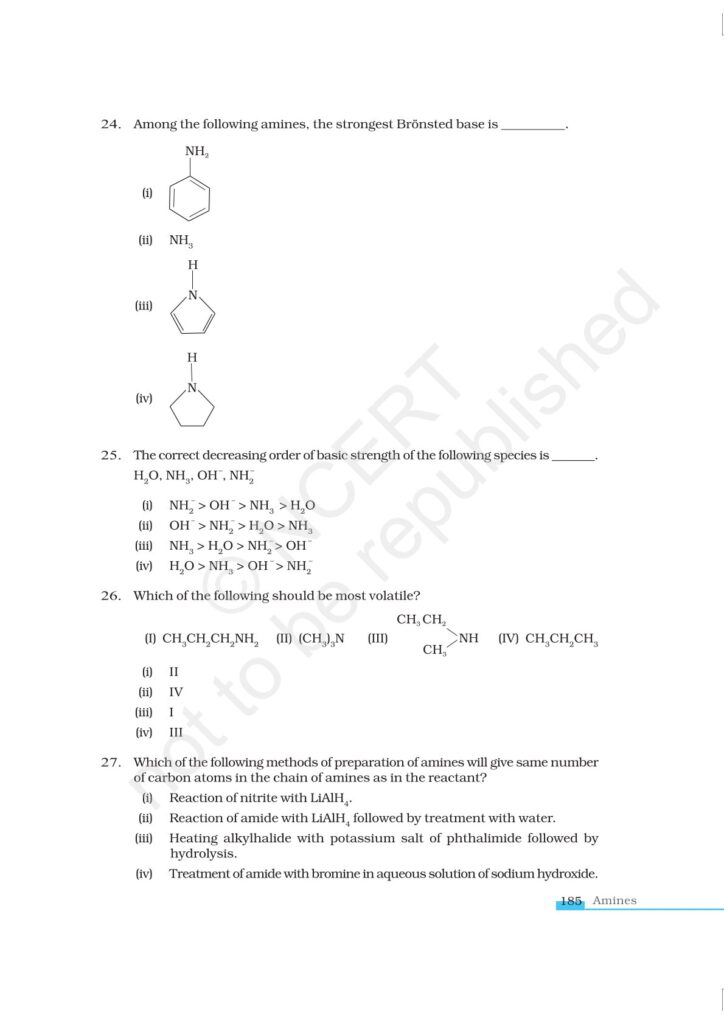
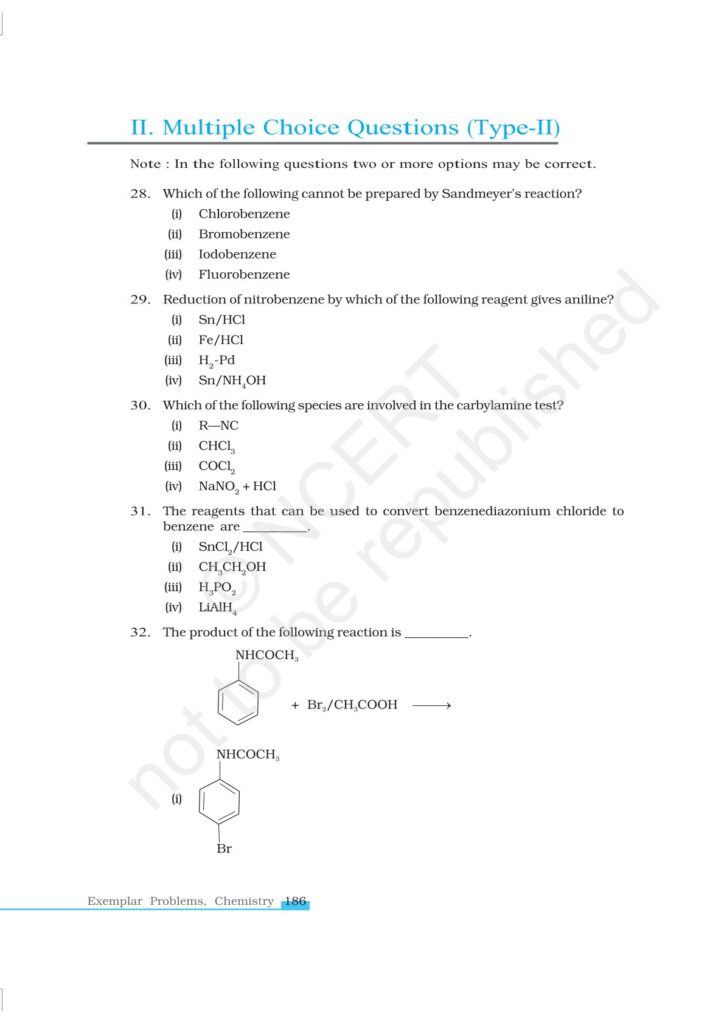
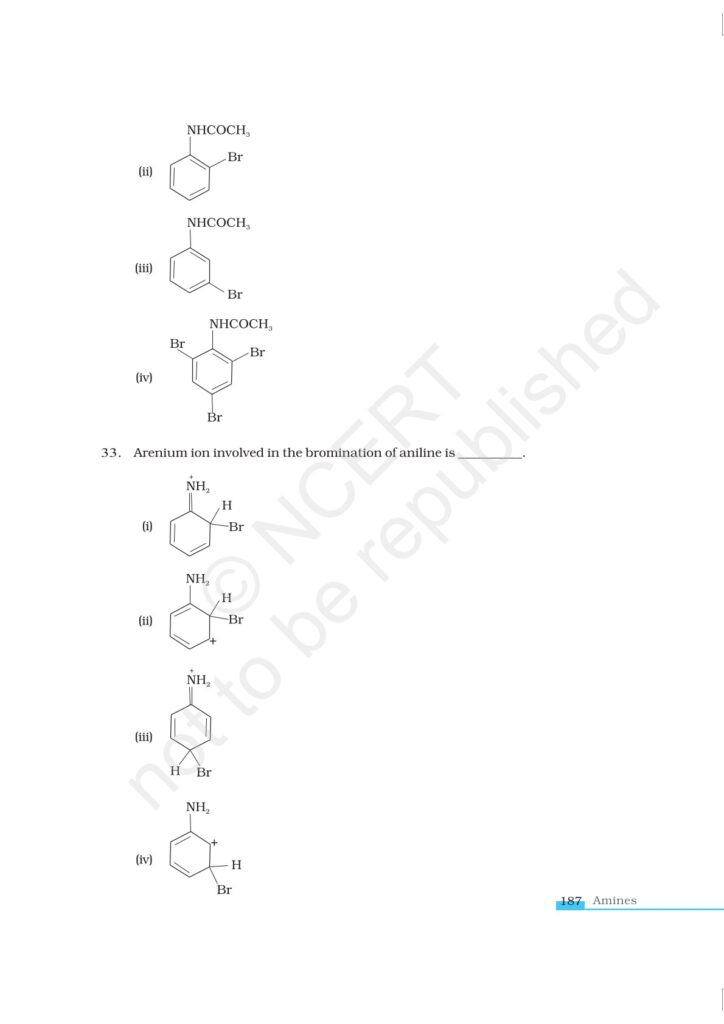
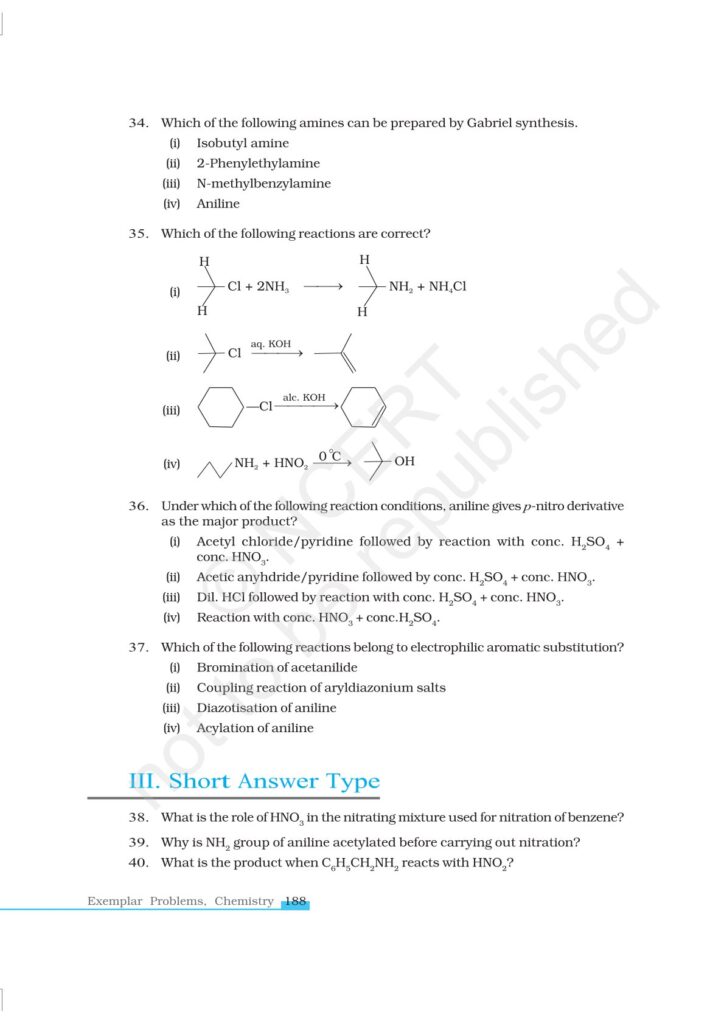
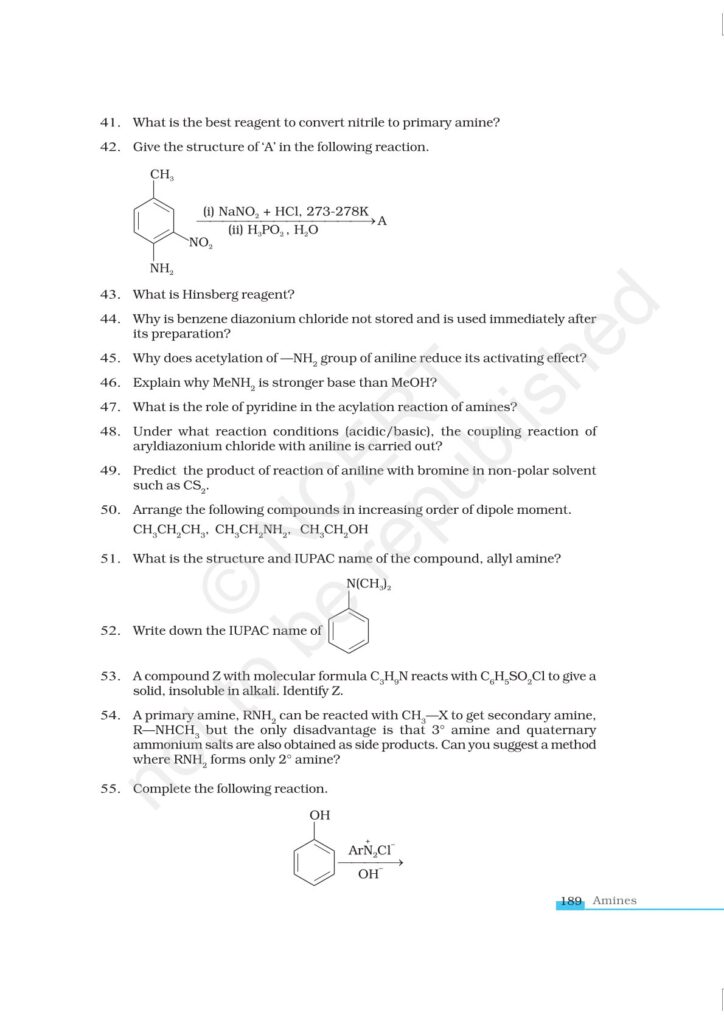
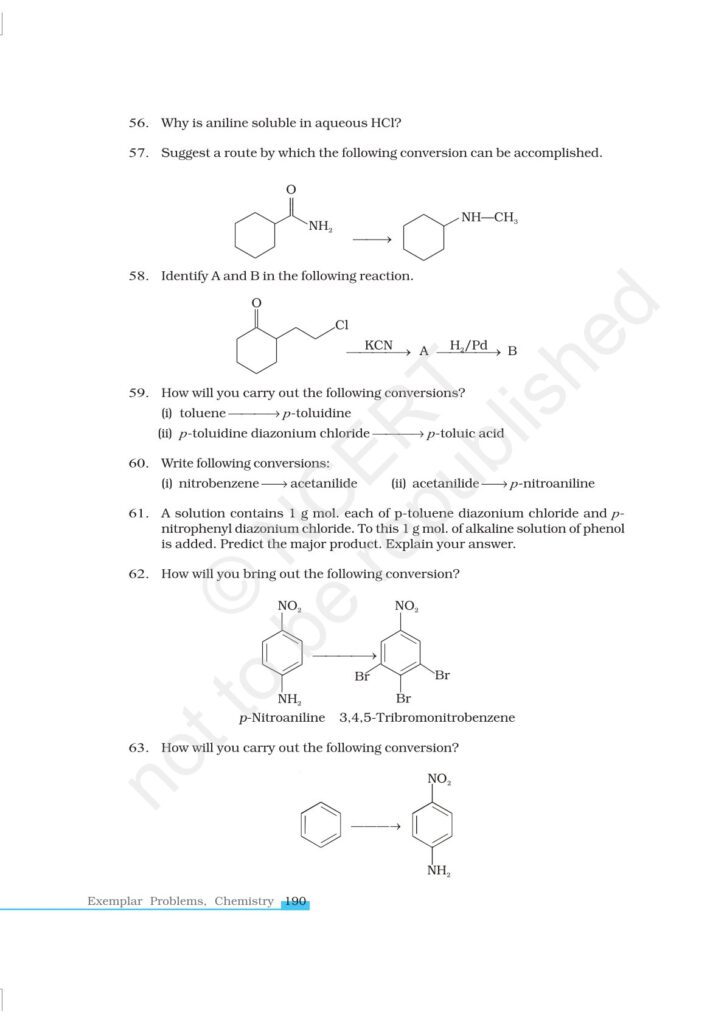
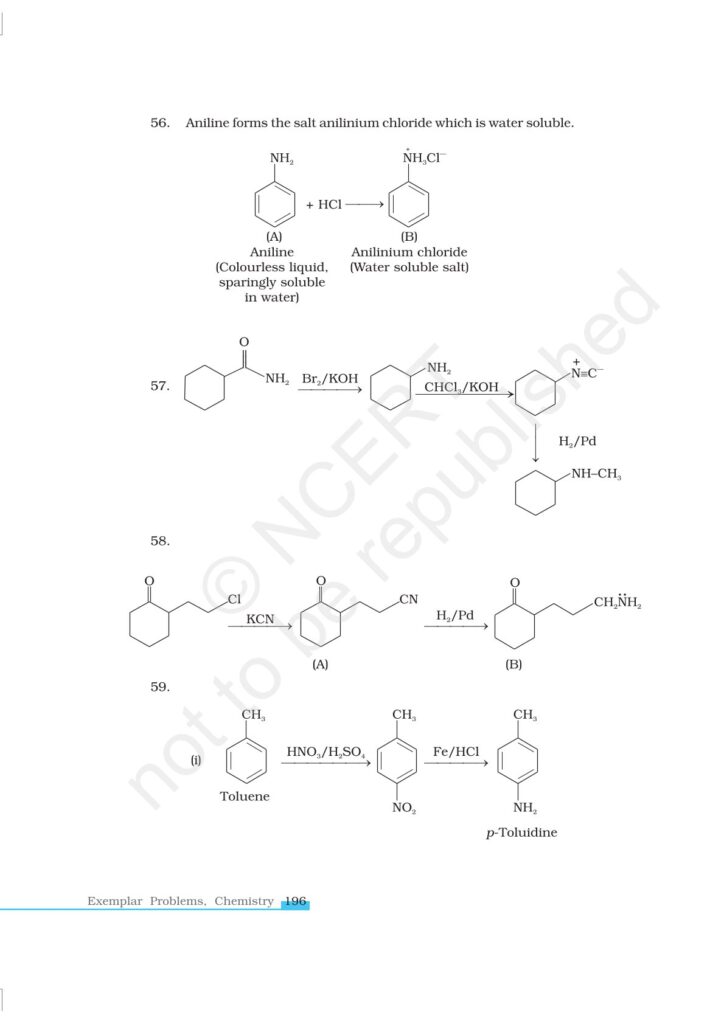
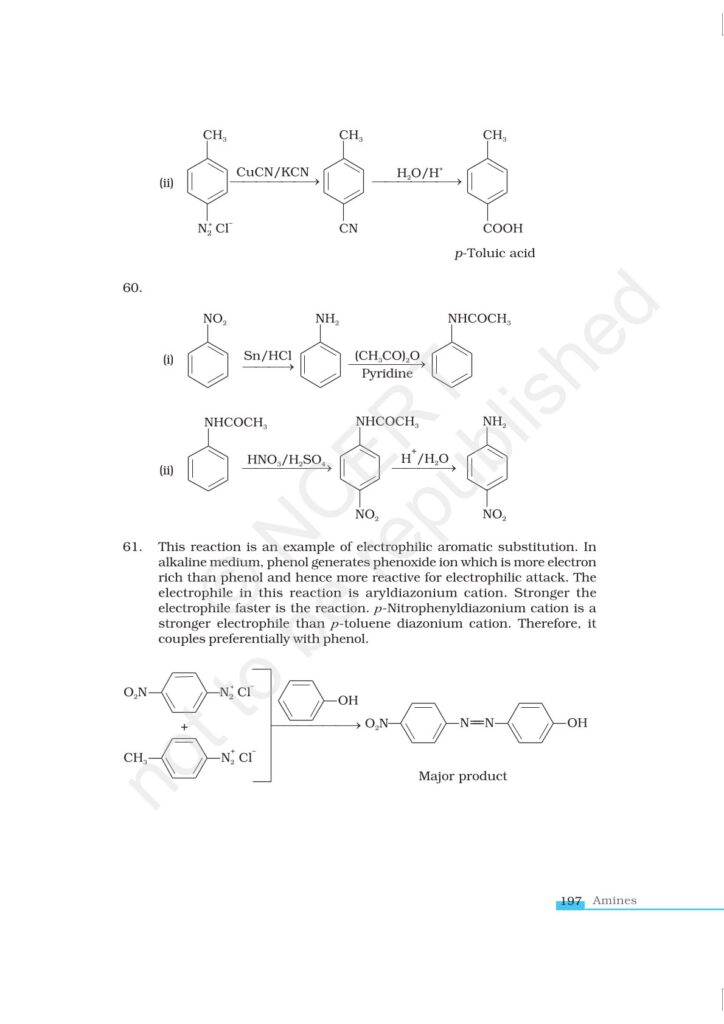
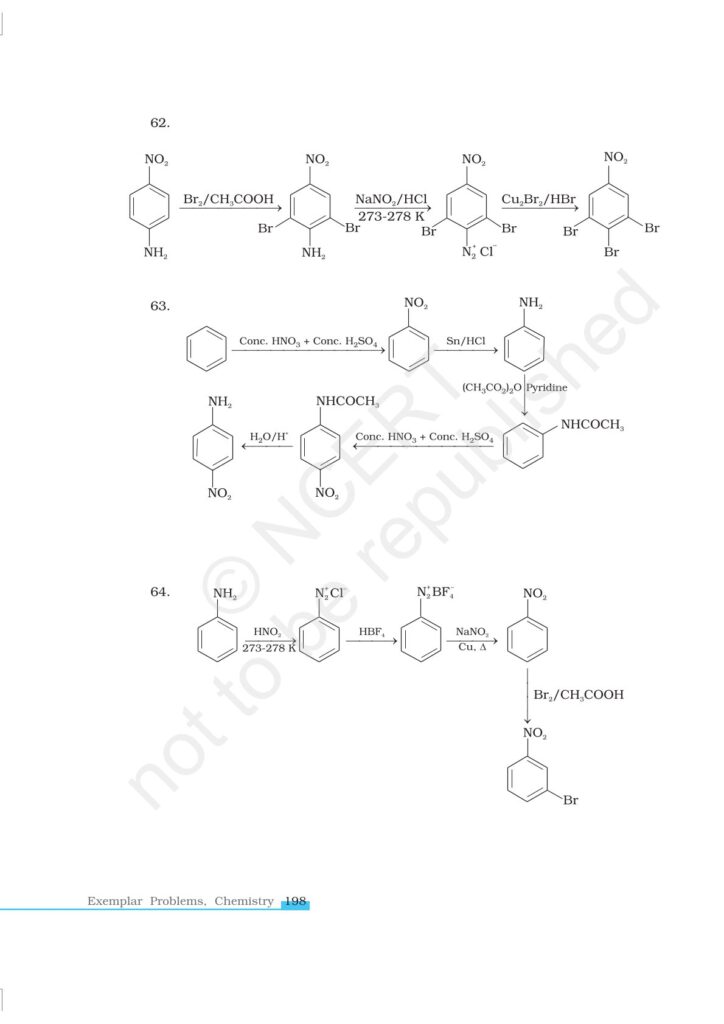
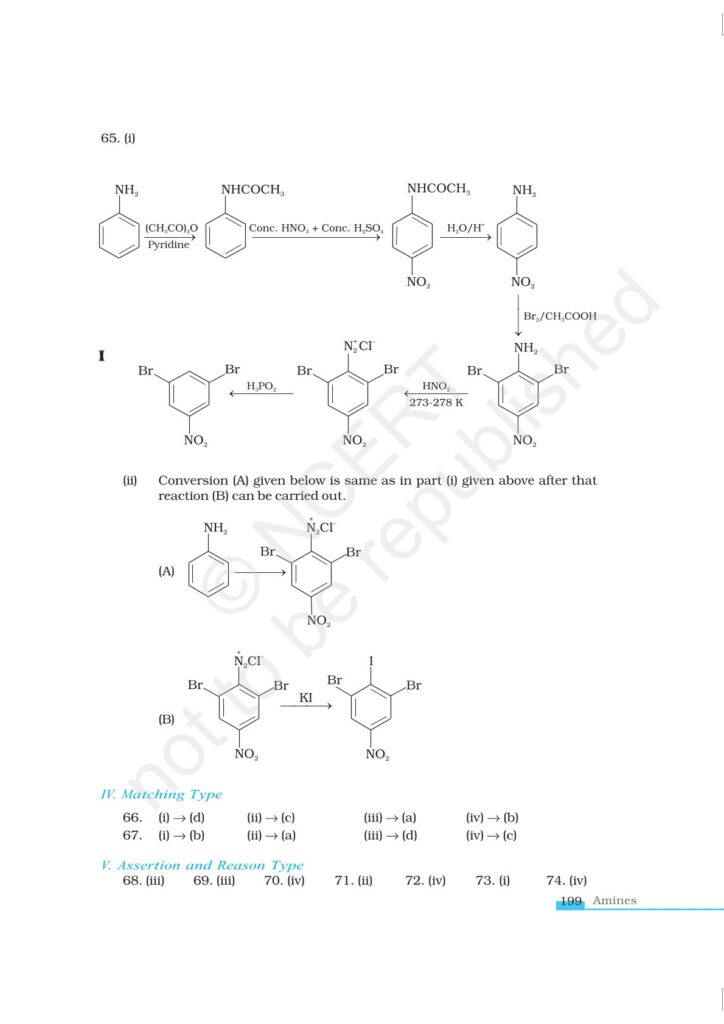
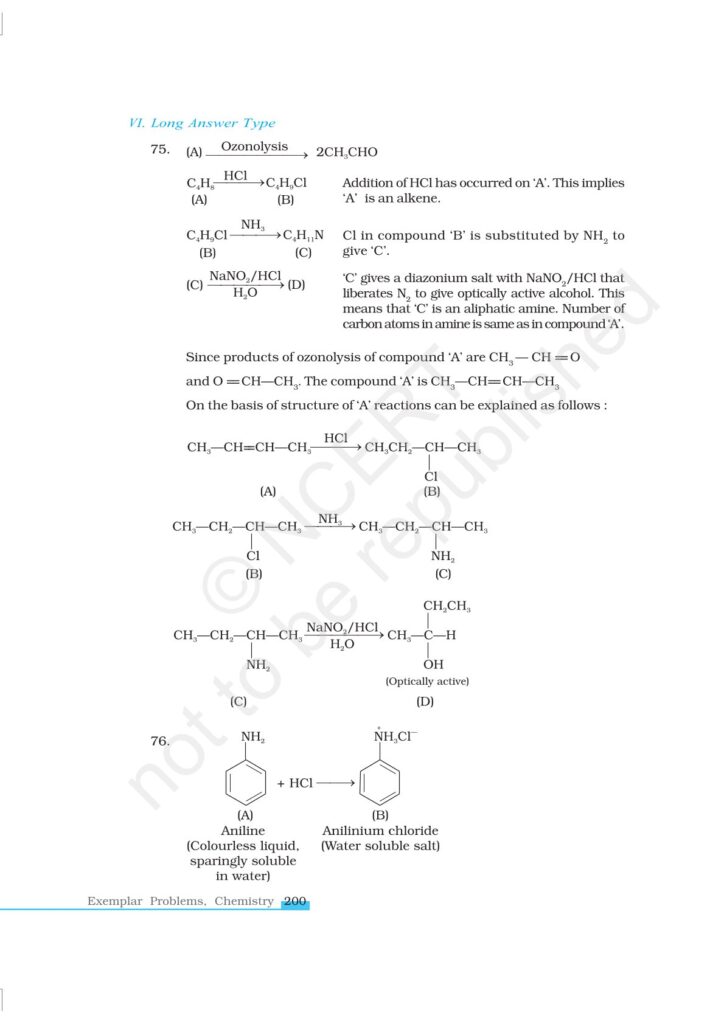
The Exemplar problems encourage students to explore the mechanisms of nucleophilic substitution, electrophilic substitution, and other key reactions such as Gabriel phthalimide synthesis, Hoffmann bromamide degradation, and diazotization.
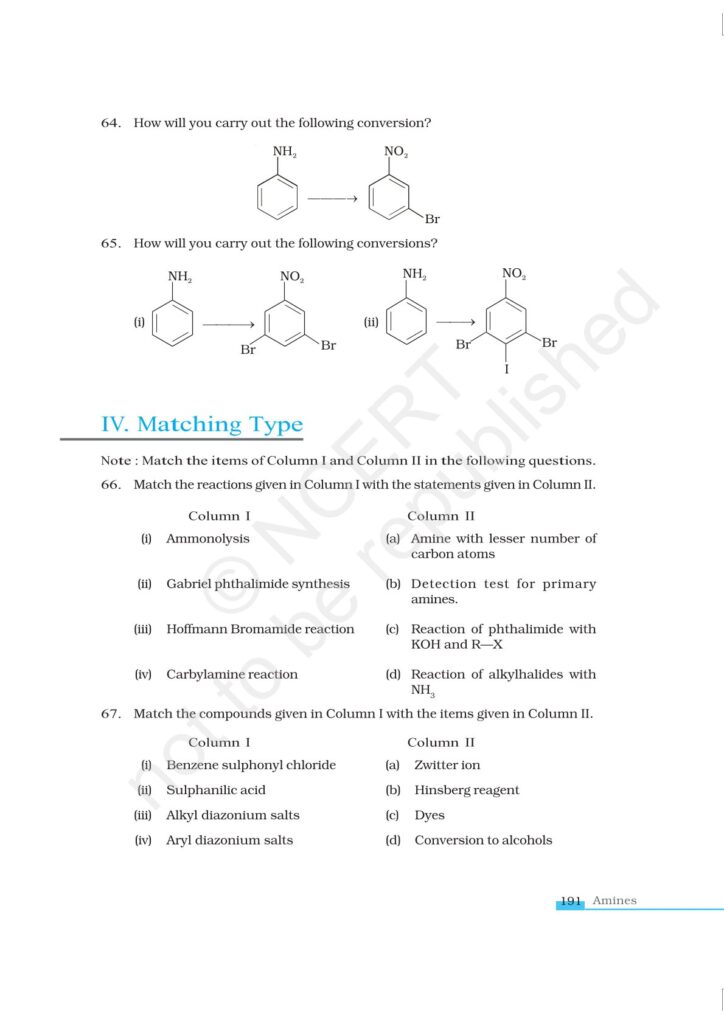
This chapter also links theoretical knowledge with practical applications in medicine (like sulfa drugs), industry (such as rubber chemicals and detergents), and agriculture (pesticides and fertilizers). Through various question types including multiple choice, assertion-reason, short and long answers, and matching types, students are pushed to think critically and apply concepts rather than memorize reactions.